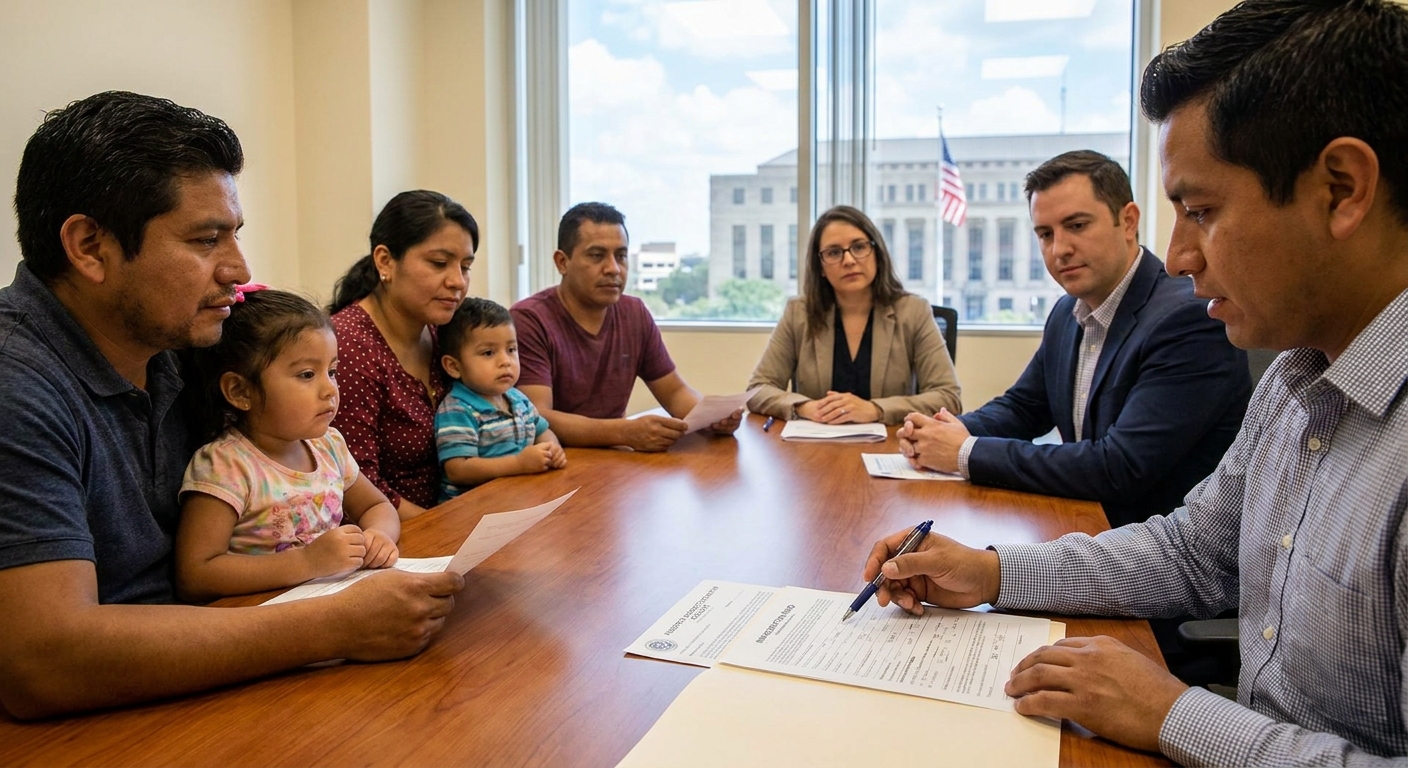
Why Immigration Detention at Contract Facilities Matters to Your Family
When a family member is detained at a contract detention facility in Houston, the situation demands immediate action and clear information. Contract detention facilities operate under agreements between Immigration and Customs Enforcement (ICE) and private or local government entities. These facilities hold immigrants pending immigration proceedings, and the conditions, procedures, and bond processes differ significantly from federal detention centers.
Understanding how fianza works at Houston contract detention facilities is essential because the speed of your response directly affects your family member's ability to be released. Many families lose critical time because they do not understand the detention facility's role, how bonds are set, or what steps must be taken to secure release. This article provides the information you need to act effectively.
What Are Contract Detention Facilities in Houston
Contract detention facilities in the Houston area are operated by private companies or local government agencies under formal agreements with ICE. These facilities are not federal immigration detention centers. Instead, they provide bed space and services to ICE under contractual arrangements. The Houston area has several such facilities that hold individuals in immigration custody.
The distinction matters because contract facilities often have different procedures for processing detainees, setting bond amounts, and handling release paperwork. Staff at these facilities may have less experience with immigration law than personnel at dedicated federal facilities. This can create delays or confusion when families attempt to post bond or gather information about their detained relatives.
Contract facilities typically house individuals who are in removal proceedings, awaiting deportation hearings, or pending transfer to other facilities. Some detainees are held there for short periods, while others remain for months. The length of stay depends on the complexity of the immigration case, the availability of legal representation, and the speed of the immigration court process.
How Immigration Bonds Work at Contract Facilities
An immigration bond, or fianza, is a financial guarantee that a detained person will appear for immigration court proceedings and comply with ICE requirements. The bond does not determine guilt or innocence. Instead, it serves as a mechanism to allow release from detention while the immigration case proceeds.
At contract detention facilities in Houston, bonds are typically set by ICE officers or immigration judges. The amount depends on several factors, including the person's ties to the community, employment history, family relationships in the United States, criminal history, and the nature of the immigration case. A person with strong community ties, stable employment, and family members in the area may receive a lower bond amount than someone without these connections.
The bond process at contract facilities follows these general steps. First, ICE conducts an initial custody determination, usually within 72 hours of arrest. During this determination, ICE decides whether to release the person on their own recognizance, set a bond amount, or hold the person without bond. Second, if a bond is set, the family can post the bond immediately or request a bond hearing before an immigration judge. Third, once the bond is posted, the facility processes the release, which typically takes several hours to one business day.
Contract facilities sometimes experience delays in processing bond information because they handle administrative tasks differently than federal facilities. Staff may take longer to confirm bond amounts, process payment, or prepare release paperwork. Families should expect to follow up directly with the facility to ensure their information is received and processed correctly.
Bond Amounts and What Affects Them
Bond amounts at Houston contract detention facilities vary widely. Some individuals receive bonds of $1,000 to $5,000, while others face bonds of $10,000 or more. The variation reflects the individual circumstances of each case and the ICE officer's assessment of flight risk and danger to the community.
Several factors influence bond amounts. Family ties in the United States carry significant weight. If the person has a spouse, children, or parents living in the country legally, this strengthens the case for a lower bond. Employment history also matters. A person with a job offer or a history of stable employment receives more favorable consideration than someone without work prospects. Length of residence in the United States is another factor. Someone who has lived in the country for many years and maintained community connections is viewed as less likely to flee.
Criminal history directly affects bond amounts. Even minor criminal convictions can result in higher bonds or bonds being denied entirely. Immigration status prior to detention also plays a role. A person who entered the country legally and maintained status faces different bond considerations than someone who entered without inspection.
The nature of the immigration case influences bond decisions as well. Cases involving deportation based on criminal convictions typically result in higher bonds or no bond. Cases involving visa overstays or work authorization issues may result in lower bonds. The immigration judge's assessment of the case strength also affects the bond amount if the case goes to a bond hearing.
Posting Bond at a Contract Detention Facility
Once a bond amount is set, the family must decide how to post it. There are two primary methods: paying the full bond amount directly to the facility, or using a bail bondsman who specializes in immigration bonds.
Paying the full bond amount directly means the family provides the entire sum to the detention facility. The facility holds this money as a guarantee. If the person appears for all immigration court proceedings and complies with ICE requirements, the bond is returned after the case concludes. If the person fails to appear or violates conditions, the bond is forfeited.
Using a bail bondsman is the more common approach for families without substantial savings. A bail bondsman charges a non-refundable fee, typically 10 to 15 percent of the bond amount, and posts the remaining balance as a guarantee. For example, if the bond is $5,000, the family pays the bondsman $500 to $750, and the bondsman guarantees the remaining $4,250 to $4,500. This method requires less upfront money but costs more overall because the fee is not returned.
Contract detention facilities in Houston accept both payment methods, but procedures vary by facility. Some facilities accept payment by phone, mail, or in person. Others require payment through specific channels. Families should contact the facility directly to confirm the accepted payment methods and the exact procedures for posting bond.
When posting bond, families must provide accurate information about the detainee, including full name, date of birth, and ICE case number. Errors in this information can delay processing. Families should also request written confirmation that the bond has been posted and ask about the expected release timeline.
Bond Hearings and Challenging Bond Amounts
If the bond amount set by ICE is too high for the family to afford, or if ICE denies bond entirely, the family can request a bond hearing before an immigration judge. This hearing is separate from the immigration case itself and focuses solely on whether the person should be released and under what conditions.
Bond hearings at contract detention facilities in Houston are typically conducted by video conference or in person at the facility. The immigration judge hears arguments from both the government and the detainee's representative. The detainee has the right to present evidence and testimony about family ties, employment, community connections, and other factors that support release.
Preparing for a bond hearing requires gathering documentation. Letters from employers confirming employment or job offers strengthen the case. Letters from family members describing their relationship to the detainee and their willingness to support the person's release are important. Proof of residence, such as utility bills or lease agreements, demonstrates community ties. Bank statements or other financial documents show the family's ability to support the detainee after release.
The immigration judge may lower the bond amount, set conditions for release such as electronic monitoring or regular check-ins with ICE, or deny bond if the judge determines the person is a flight risk or danger to the community. The judge's decision is based on the evidence presented and the legal standards for bond in immigration cases.
Requesting a bond hearing must be done promptly. Delays in requesting a hearing mean the person remains in detention longer. Families should contact the facility or seek assistance from an immigration attorney immediately after learning the bond amount or that bond has been denied.
Conditions of Release and Compliance Requirements
When a person is released on bond from a Houston contract detention facility, they must comply with specific conditions set by ICE or the immigration judge. Failure to comply can result in re-arrest and forfeiture of the bond.
Common conditions include appearing for all immigration court proceedings, maintaining contact with ICE as required, not leaving the designated area without permission, and not committing any crimes. Some bonds include electronic monitoring requirements, meaning the person must wear a monitoring device. Others require regular check-ins at an ICE office.
The person released on bond must understand these conditions clearly. Misunderstanding or ignoring a condition can have serious consequences. For example, if the person is required to check in with ICE monthly and misses an appointment, ICE can issue a warrant for re-arrest. If the person is required to remain in a specific area and travels outside that area, they violate the bond conditions.
Families should ensure the released person has written documentation of all bond conditions. If the conditions are unclear, they should request clarification from the facility or from an immigration attorney. Some conditions may be negotiable or modifiable if circumstances change, such as a job relocation or medical emergency.
Working With Immigration Attorneys for Bond Cases
While families can post bond without legal representation, having an experienced immigration attorney significantly improves outcomes. An attorney can request a bond hearing, present evidence effectively, and argue for lower bond amounts or release on recognizance.
An experienced immigration attorney understands the specific procedures at Houston contract detention facilities and knows how to obtain information quickly. Attorneys have relationships with facility staff and can expedite the process of confirming bond amounts and release procedures. They can also identify potential issues with the detention or bond decision that families might miss.
For bond hearings, an attorney's role is particularly important. Attorneys know how to present evidence, examine witnesses, and make legal arguments that persuade immigration judges. They understand the factors judges consider and can frame the case to emphasize the strongest points. Attorneys can also identify weaknesses in the government's case and challenge them.
Attorneys can also assist with other aspects of the immigration case beyond the bond issue. They can review the removal proceedings, identify potential defenses, and develop a long-term strategy for the case. In some situations, an attorney may be able to resolve the case without a full hearing, saving time and reducing stress for the family.
Common Challenges at Contract Detention Facilities
Families dealing with detention at Houston contract facilities often encounter specific challenges that differ from federal detention centers. Understanding these challenges helps families respond effectively.
Communication delays are common. Contract facility staff may not respond quickly to inquiries about bond amounts, release procedures, or detainee information. Families may call multiple times before reaching someone who can provide accurate information. This delay can extend the time a person remains in detention unnecessarily.
Incorrect bond information is another frequent problem. Facility staff may provide conflicting information about the bond amount, the method for posting bond, or the expected release timeline. Families should request written confirmation of all bond information and follow up in writing to create a record.
Processing delays after bond is posted occur regularly. Even after the family posts the bond, the facility may take longer than expected to process the release. This can be frustrating, but families should follow up with the facility to confirm the bond was received and to ask about the expected release time.
Confusion about bond conditions happens when the detainee does not receive clear written documentation of the conditions of release. This can lead to unintentional violations after release. Families should request written documentation of all conditions and ensure the released person understands them completely.
The Role of ICE in Bond Decisions
ICE officers make the initial bond determination at contract detention facilities. These officers have authority to set bond amounts, deny bond, or release a person on their own recognizance. Understanding ICE's role helps families understand the bond process and their options.
ICE officers conduct custody determinations based on factors outlined in immigration law. They assess whether the person is a flight risk, whether they pose a danger to the community, and whether they have ties to the United States. The officer's assessment is documented in the case file and becomes the basis for the initial bond decision.
If the family disagrees with the ICE officer's bond decision, they can request a bond hearing before an immigration judge. The immigration judge reviews the ICE officer's decision and hears arguments from both sides. The judge can affirm the ICE decision, modify it, or reverse it entirely. This hearing is the family's opportunity to present evidence and arguments that the ICE officer may not have considered.
ICE officers at contract facilities may have varying levels of experience with immigration law and bond procedures. Some officers are thorough and fair, while others may make decisions quickly without full consideration of the detainee's circumstances. This variation underscores the importance of requesting a bond hearing if the initial decision seems unfair or if the bond amount is unaffordable.
Timeline for Bond Processing and Release
Understanding the timeline for bond processing helps families plan and manage expectations. The timeline varies depending on whether the bond is set by ICE or by an immigration judge after a hearing.
If ICE sets a bond amount at the initial custody determination, the family can post the bond immediately. The facility typically processes the payment within one business day. After payment is processed, the facility prepares release paperwork, which usually takes several hours. The person is typically released within 24 hours of bond payment, though delays can extend this timeline.
If the family requests a bond hearing, the timeline is longer. The facility must schedule the hearing, which may take several days to a week depending on the immigration judge's availability. The hearing itself typically lasts 30 minutes to an hour. The judge issues a decision immediately or within a few days. If the judge sets a bond amount, the family can then post the bond and the release process begins.
In some cases, the immigration judge may order the person released on their own recognizance, meaning no bond is required. In this situation, the facility processes the release immediately after the judge's order, typically within 24 hours.
Families should not assume the timeline will proceed smoothly. Contract facilities sometimes experience delays in scheduling hearings, processing payments, or preparing release paperwork. Families should follow up regularly with the facility to confirm progress and ask about expected timelines.
Financial Assistance and Bond Resources
Posting bond requires significant financial resources that many families do not have immediately available. Several options exist for families seeking financial assistance.
Bail bondsmen are the most accessible option for families without substantial savings. As mentioned earlier, bondsmen charge a fee and post the remaining bond amount. This allows families to secure release with a smaller upfront payment. Families should compare rates among different bondsmen and understand all fees before agreeing to use a particular bondsman's services.
Community organizations and nonprofits sometimes provide bond assistance or loans to families. These organizations may have specific eligibility requirements and application processes. Families should research organizations in the Houston area that provide immigration-related assistance.
Family and friends may contribute funds to help post bond. Some families organize fundraising efforts or ask extended family members to contribute. This approach requires open communication about the situation and the financial need.
In rare cases, the immigration judge may order the person released on their own recognizance, eliminating the need to post bond. This occurs when the judge determines the person is not a flight risk and does not pose a danger to the community, and when the person has strong ties to the community.
Next Steps: Getting Help With Your Bond Case
If your family member is detained at a Houston contract detention facility, immediate action is necessary. The first step is to confirm the detention, obtain the ICE case number, and learn the bond amount or whether bond has been denied.
FianzaYa provides a free initial evaluation to assess your situation and explain your options. During the evaluation, we review the details of the detention, discuss bond options, and outline the steps needed to secure release. We can answer your questions about the bond process, explain your rights, and help you understand what to expect.
Contact FianzaYa for your free initial evaluation today. We serve families across Texas and understand the specific challenges of detention at Houston contract facilities. We can help you post bond quickly and effectively, and we can represent you in bond hearings if needed. Learn more about our immigration bond services and how we can assist your family.